
Species of Brachylophus
Until 2008 the genus was treated as two living species. Genetics and fieldwork have since split the banded iguanas and added a distinct form from Gau Island. Island populations do not mix.
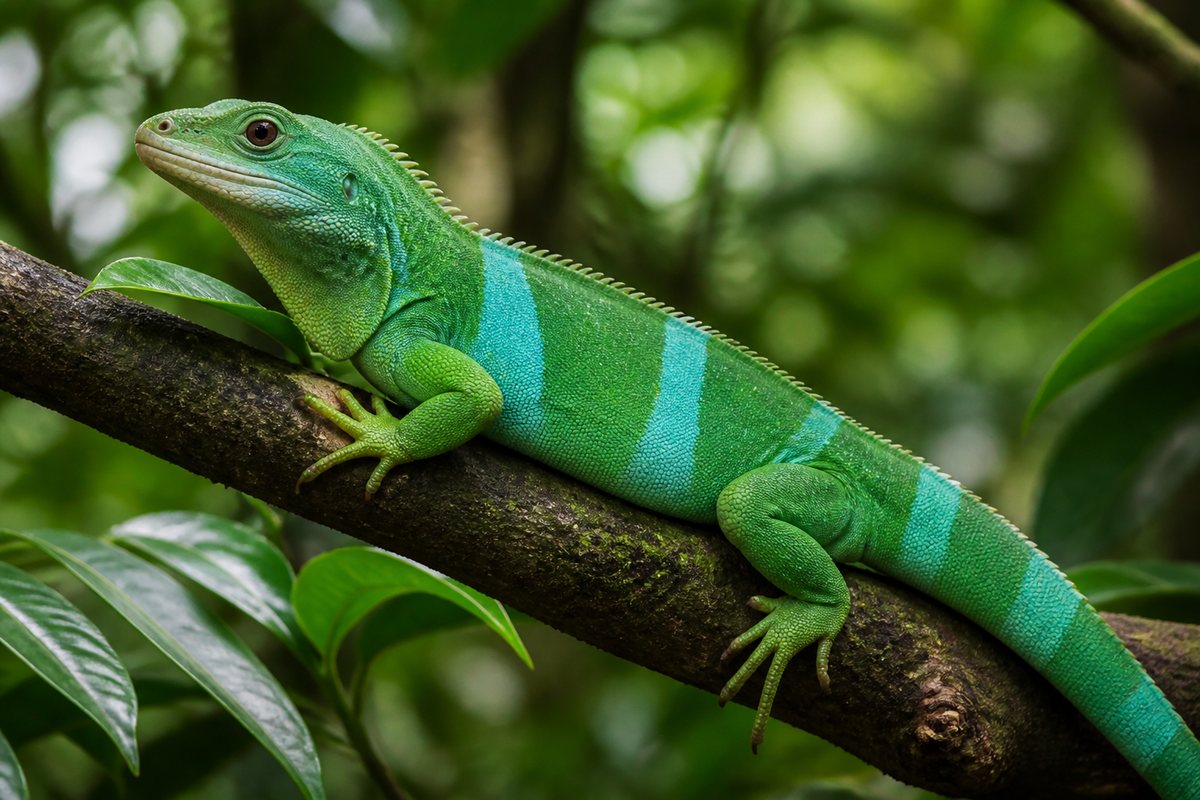
B. bulabula
Central islands, including Viti Levu, Ovalau and Kadavu. Name from Fijian bula bula — flourishing.
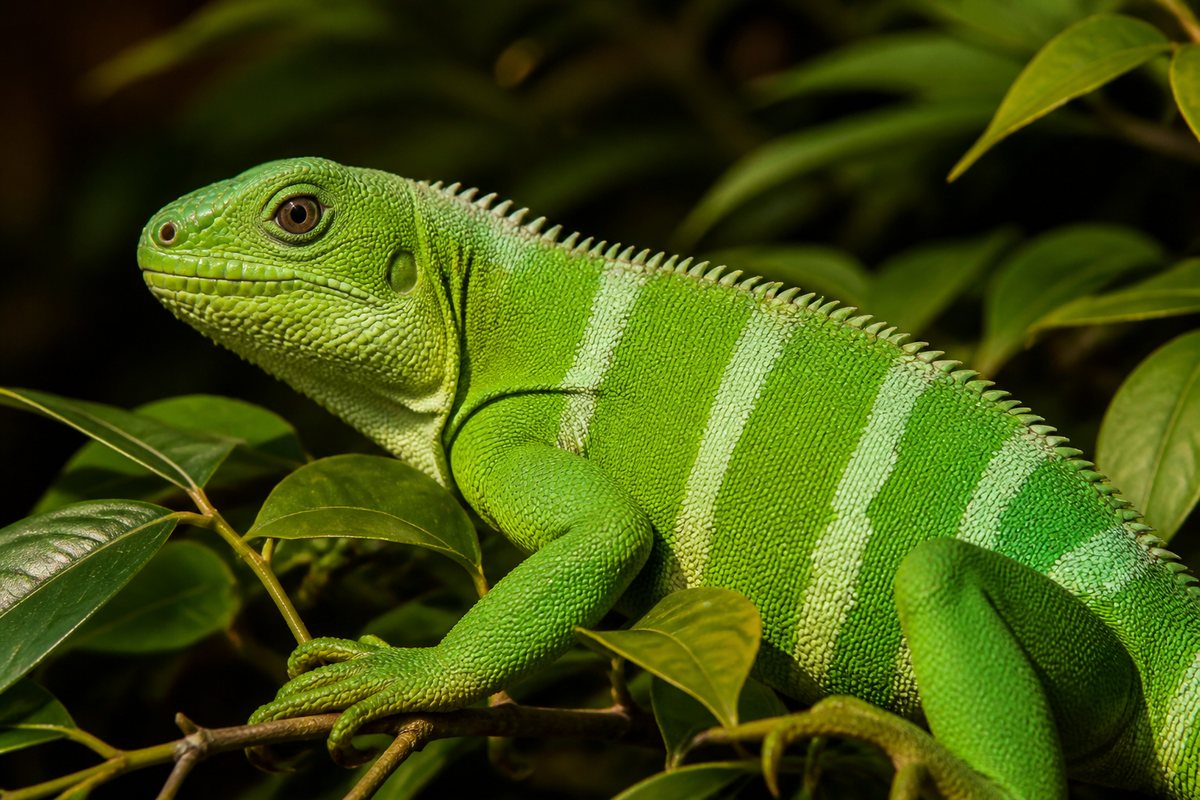
B. fasciatus
The original “Fiji banded iguana.” Native range now centred on the Lau and Moala groups.
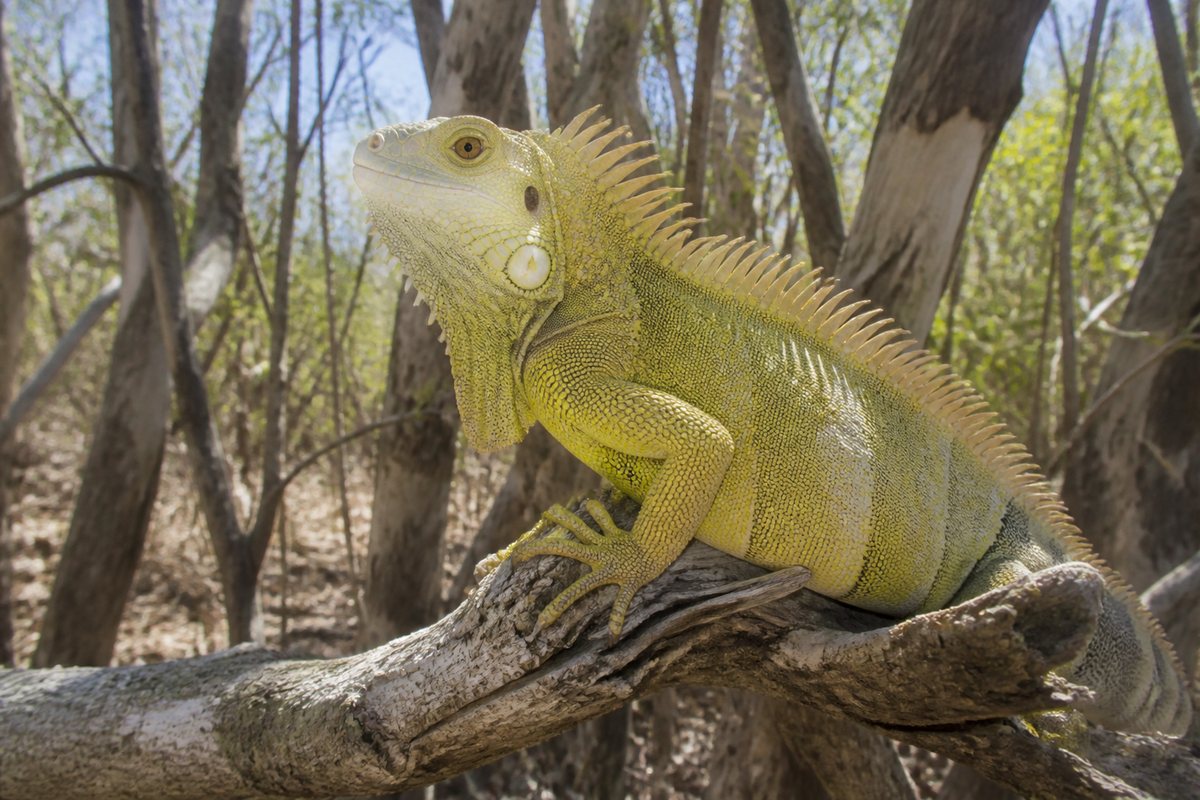
B. vitiensis
Dry forests of western Fiji. Most of the world population lives on tiny Yadua Taba.
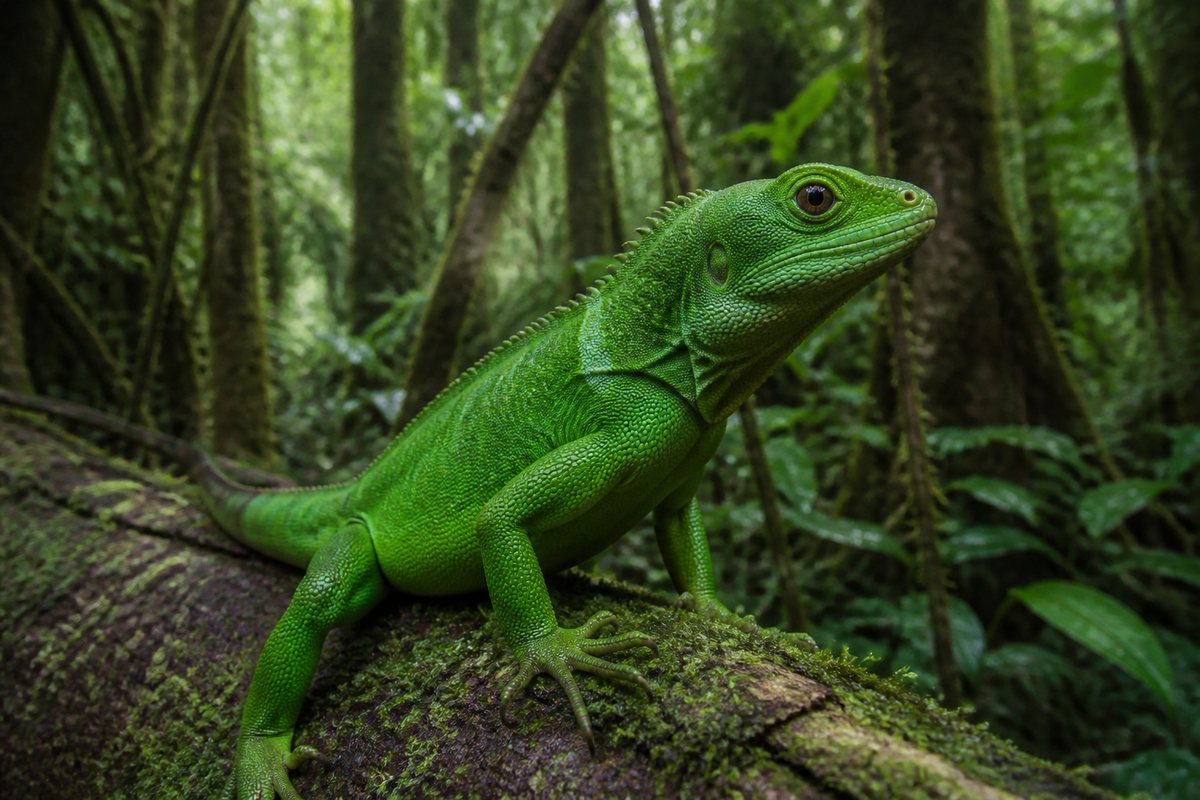
B. gau
Described in 2017. Known only from Gau, Fiji’s fifth-largest island.
At a glance
IUCN categories summarised from published assessments; always check the IUCN Red List for the current listing.
| Species | Common name | Range | Status | Described |
|---|---|---|---|---|
| B. bulabula | Central Fijian banded iguana | Central / northwestern Fiji | EN | 2008 |
| B. fasciatus | Lau banded iguana | Eastern Fiji (Lau, Moala); introduced Tonga | EN | 1800 |
| B. vitiensis | Fiji crested iguana | Western Fiji dry forest | CR | 1981 |
| B. gau | Gau iguana | Gau Island only | EN | 2017 |
| B. gibbonsi | Extinct Tongan giant | Tonga (fossils) | Extinct | Fossil taxon |
Banded or crested?
Banded species (bulabula, fasciatus, gau) are emerald lizards; adult males usually show pale blue or green cross-bands. Females are often plainer green. The crested iguana is typically paler, with a more obvious row of spines, and can darken when stressed. Telling the three banded species apart in the field is a specialist job — geography is the first clue.
An even larger extinct iguana, Lapitiguana impensa, once lived on Fiji but belongs to a different genus.